DISCLAIMER: CFDs are complex instruments and come with a high risk of losing money rapidly due to leverage. 80% of retail investor accounts lose money when trading CFDs with this provider. You should consider whether you understand how CFDs work and whether you can afford to take the high risk of losing your money.
Infrastructure
Technology Platform
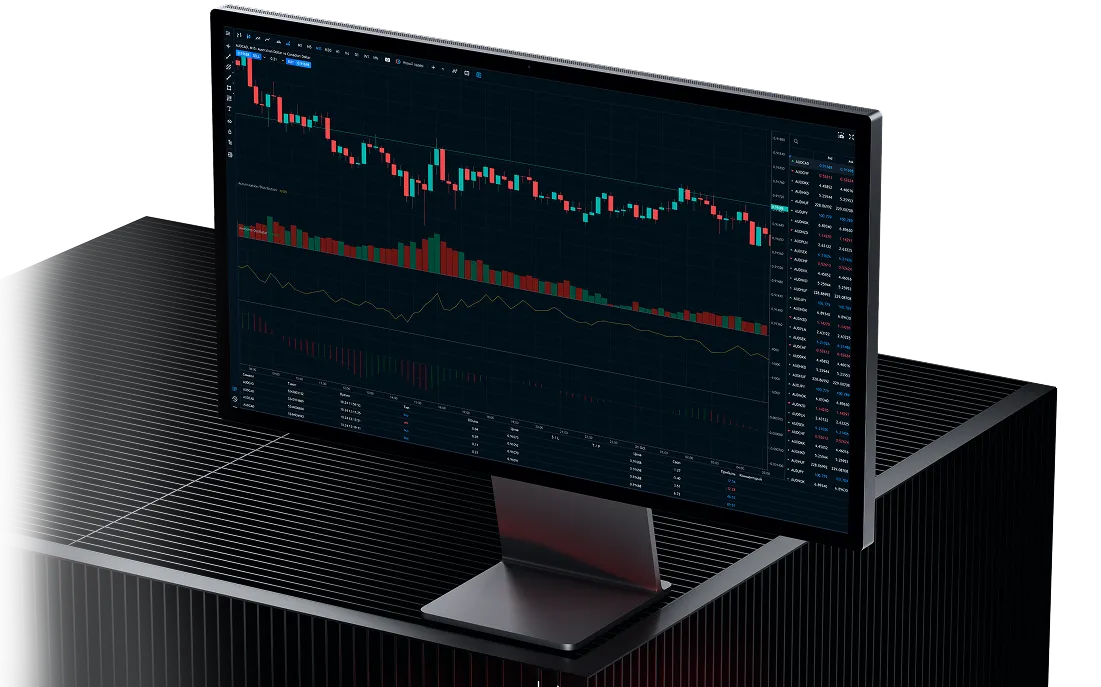
The core of any modern brokerage company is its technology platform, which enables secure and efficient trading. This platform typically includes:
- Trading Interface: A user-friendly interface that supports various asset classes, including stocks, bonds, options, forex, and cryptocurrencies.
- Mobile Applications: Apps that allow clients to trade and manage their portfolios on-the-go, featuring real-time market data and trading alerts.
- APIs: Application Programming Interfaces that facilitate seamless integration with third-party applications and services, enhancing functionality and user experience.
Data Management Systems
Robust data management systems are essential for handling the vast amounts of information generated by trading activities. Key components include:
- Market Data Feeds: Real-time streaming of market prices and financial news that informs trading decisions.
- Risk Management Systems: Tools that assess and monitor risks associated with trading activities, ensuring compliance with regulatory requirements and internal policies.
- Data Analytics: Advanced analytics solutions that aggregate and interpret trading data to generate insights and improve decision-making.
Security Infrastructure
Security is a paramount concern in the brokerage industry. Essential components include:
- Cybersecurity Measures: Firewalls, encryption, and intrusion detection systems that protect client data and transactions from unauthorized access.
- Compliance Systems: Frameworks to ensure adherence to regulatory standards and best practices, including identity verification (KYC) and anti-money laundering (AML) controls.
- Incident Response Protocols: Procedures for addressing and mitigating security breaches or system failures, ensuring minimal disruption to services.
Customer Support and Communication
A robust customer support infrastructure is vital for client satisfaction. Key elements include:
- Multi-Channel Support: Availability of support through various channels such as chat, email, and phone, ensuring clients receive timely assistance.
- Knowledge Base: An extensive repository of tutorials, FAQs, and guides that empower clients to navigate the platform and improve their trading skills.
Operational Infrastructure
The operational backbone of a brokerage includes:
- Trade Settlement Systems: Efficient processing of trade settlements, ensuring the accurate handling of funds and securities.
- Regulatory Compliance Framework: Systems designed to monitor and report transactions, ensuring compliance with regulatory authorities.
- Human Resources and Management: A skilled workforce including traders, analysts, compliance officers, and IT experts who ensure smooth operations and client satisfaction.
Infrastructure Scalability
To accommodate growth, a brokerage must have scalable infrastructure that can handle increased transaction volumes and expanding client bases. This includes:
- Cloud Computing Solutions: Flexible resources that allow for easy scaling during peak trading times without compromising performance.
- Modular Systems: Design allowing for the addition of new features and services in response to market demands and technological advancements.
Available Platforms


Full-featured trading on the go with real-time sync.
Coming Soon
Start Trading
01
Register
an account based on your preferences
02
Verify
your account with the KYC process
03
Deposit
account using any available method
04
Trade
Start your journey into the world of trading